Republic Pictures: The Studio That Built Saturday Matinees
Founded in 1935, gone by 1959 — how Republic Pictures built and dominated the Western and serial market

Republic Pictures was the most important Poverty Row studio of the classical-Hollywood era. Founded in 1935 by Herbert J. Yates, Republic operated from a former Mack Sennett lot in Studio City and ran for 24 years — producing Westerns, action serials, and B-pictures that dominated the Saturday-matinee market until the medium collapsed in the 1950s.
Origin story
Yates ran Consolidated Film Industries, a Hollywood film-processing lab. Several small studios — Mascot, Monogram, Liberty, Majestic, Chesterfield, and Invincible — owed him money for unpaid lab work. In 1935, Yates threatened foreclosure and instead negotiated a merger. The combined entity became Republic Pictures.
The Republic specialty
Republic produced three main products:
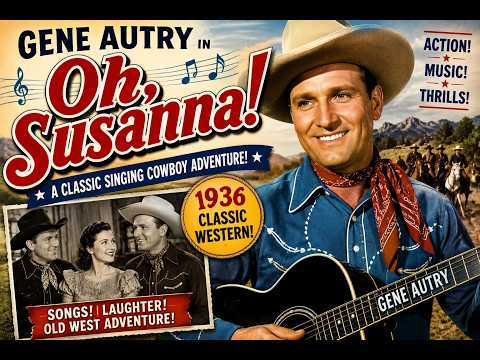
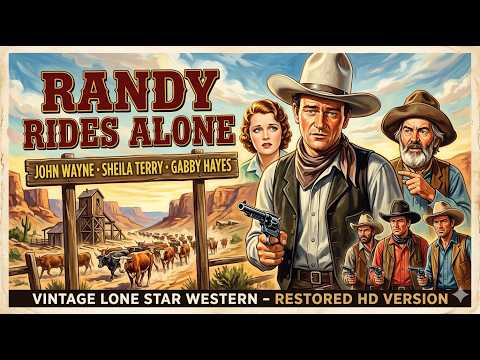
B-Westerns — The studio's bread and butter. Republic signed Gene Autry on his way out of Mascot, and made him the biggest singing-cowboy star in cinema. When Autry's contract demands became difficult, Republic groomed Roy Rogers as a replacement — and Rogers eventually surpassed Autry's stardom. Republic also distributed John Wayne's pre-stardom B-Westerns in the 1930s.
Serials — Republic was unmatched in serial production. The studio produced 66 chapter serials between 1935 and 1955, including the most-praised serial in Hollywood history: The Adventures of Captain Marvel (1941). Republic serials were technically superior to those of Universal and Columbia — better stunt work, more elaborate special effects, and tighter screenplays.
Higher-budget features — In the 1940s, Republic invested in mid-budget A-pictures starring John Wayne, who agreed to make a series of features for Republic in exchange for the studio backing his pet project (The Quiet Man, 1952). These "Premiere" productions gave Republic some prestige — but the studio's identity remained B-pictures and serials.
The Yates problem
Herbert J. Yates was an autocratic studio head. He insisted on casting his Czech-born wife, Vera Hruba Ralston, as the lead of dozens of Republic features through the late 1940s and 50s — despite poor English, limited acting range, and consistent commercial failure. Republic lost considerable money on Ralston vehicles, and the practice damaged the studio's reputation.
The collapse
Three forces destroyed Republic by the late 1950s:
1. Television. The Saturday matinee — the market Republic dominated — collapsed as children moved to TV. The Republic Westerns and serials that had filled matinees were quickly licensed to television for fractional revenues.
2. The collapse of the B-picture market. Mid-1950s economics made the studio system's B-unit model uneconomical. Major studios stopped producing Bs entirely, removing Republic's natural exhibition partner.
3. Yates's poor decision-making. By the mid-1950s, Republic was dependent on Ralston vehicles that nobody wanted to see. The financial drag was substantial.
Republic stopped feature production in 1958. The studio formally closed in 1959, with its physical lot purchased by CBS.
The public-domain catalog
A large portion of Republic's output is now in the public domain. The Gene Autry and Roy Rogers Westerns are heavily represented, as are most of the studio's serials. The legendary The Adventures of Captain Marvel (1941), often called the finest serial ever made, is freely available.
The essential public-domain Republic
The Adventures of Captain Marvel (1941) — 12-chapter serial. Tom Tyler as Captain Marvel. Special effects sequences (the flying shots especially) were a quantum leap above contemporary serial production.
King of the Rocket Men (1949) — 12-chapter serial. The first of Republic's "flying-man" serial series. The signature jet-pack hero design influenced Disney's The Rocketeer (1991) directly.
Under Western Stars (1938) — Roy Rogers's debut starring feature. Nominated for an Oscar for Best Original Song.
Where to start
Start with The Adventures of Captain Marvel serial. Watching it cleanly demonstrates the production values that made Republic competitive with major studios in its specialty markets. From there, sample a Republic Western (Roy Rogers's Under Western Stars is the canonical entry) to see the other half of the studio's identity.